
Looking at Islington today with its cosmopolitan vibes, fantastic homes, and numerous amenities, it couldn’t be much further from what it used to be. It will probably surprise you to discover this prime residential area was once mainly agriculture before transitioning to heavy industry. We want to have a closer look at the history here. Then, if you have assets and want to arrange block management in Islington, guaranteed rent, and more, you can contact us.
A key spot for agriculture
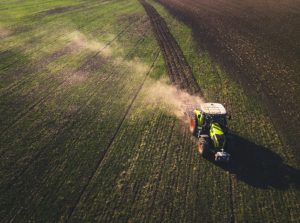 The historical records show that in the 11th century a large part of Islington was farm land. The borough today is around 3,672 acres. In 1086 almost 1,500 acres was for farming. This included arable land to grow various crops, meadows, woodland, and pastures for different animals.
In the following centuries land in Islington became divided between five manors, including Canonbury, Highbury and Barnsbury. By the 14th century large portions were still for arable farming and keeping animals, particularly dairy cattle.
Eventually Islington was home to numerous dairy farms, pastures, cowsheds, and more. Notably, Liverpool Road was once a droveway for the movement of cattle. There were numerous cattle lairs along it to house animals as they made their way to Smithfield Market. Today it is full of attractive Georgian homes, Victorian villas, pubs, restaurants, and businesses. If you choose assets here or elsewhere in the borough, rely on us for block management in Islington, guaranteed rent, and other services.
Challenges
Throughout the centuries Islington was home to thousands of cattle, including dairy cows and animals going to slaughter. Unfortunately, the records show there were many challenges. Firstly, there was an outbreak of cattle plague (Rinderpest) in the 18th century, leading to the destruction of hundreds of cows. Secondly, because of generally poor conditions, many animals suffered lung disease and had to be slaughtered.
There was also a cattle plague in 1865, spreading across Britain and lasting three years. It had a massive impact on the agricultural industry. Significantly, it led to the deaths of hundreds of thousands of cows. Some areas were hit really hard. Islington falls into that category, with historical data claiming numbers fell from 1,317 to 314. Over 600 cows died, and hundreds more were relocated.
Change
The Industrial Revolution was reshaping land use in Islington. In 1895 there were no more cows, although pigs were common. The area was still full of slaughterhouses though. Former farms became home to a variety of businesses, including mills, furs, pasteboard, varnish, ink, rubber, and soap. Interestingly, there has been a history of brickmakers in the area since the 14th century. This grew over the centuries. Speak to us about services like guaranteed rent and block management in Islington.
Ultimately, the area became a key location for builders and manufacturing. This persisted until the 1970s, although many of the noxious businesses had long since relocated because of public health issues. Today, Islington is a prime residential area. There is no longer any heavy manufacturing. Interestingly though, some businesses do still remain, largely focusing on low level manufacturing and precision fabrication.
Exceptional block management in Islington and other solutions
It’s fantastic to explore the history of areas like Islington. It helps to understand their character and how much they have changed. Plus, if you look closely you can still find evidence of this past.
If you decide to invest in assets, you can rely on us. We give you the best support, ensuring you have peace of mind when it comes to finances and managing the properties. We recommend guaranteed rent because it offers many benefits, including no voids. Plus, if you need block management in Islington, we can provide scalable services.
So, get in touch today if you need anything.

